

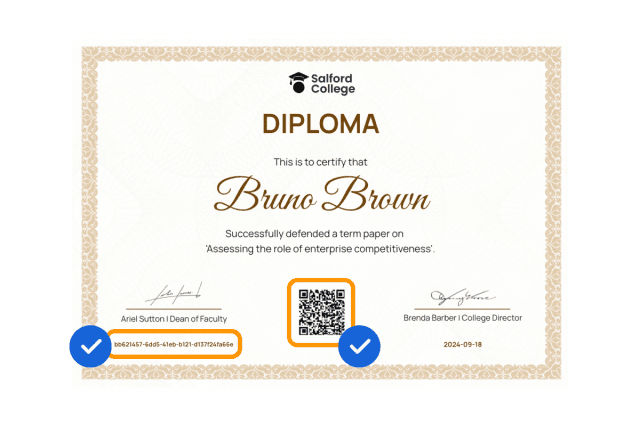
In today's digital age, novelty items have taken on a whole new dimension. Among them, the novelty fake degree diploma stands out as a controversial yet increasingly popular item. While the term “fake degree diploma” may raise legal and ethical concerns, novelty versions are typically marketed for entertainment or personal use—distinct from documents intended for deception. This blog explores what these items are, why people purchase them, and the lines between legitimate novelty and fraudulent use.
Understanding the Novelty Fake Degree Diploma
A novelty fake degree diploma is a replica of an academic certificate designed to resemble degrees issued by real universities or institutions. These documents are typically customized with the buyer's name, the name of a chosen institution (real or fictitious), a specified degree title, and a graduation date. While the physical presentation can be highly convincing, these diplomas do not confer any actual academic achievement or recognition.
Vendors of novelty diplomas often emphasize that their products are for entertainment purposes only. They may be used in a range of contexts, from gag gifts and theatrical props to wall art or memorabilia. Unlike counterfeit documents that are intended to deceive employers or academic institutions, novelty diplomas are not supposed to be used for fraudulent gain. However, the line between novelty and misuse can become blurred, particularly if the diploma is presented as authentic.
Reasons People Buy Novelty Fake Degree Diplomas
There are several reasons why individuals might seek out a fake degree diploma. Below are the most common motivations:
- Entertainment and Gag Gifts
Many buyers use novelty diplomas as humorous gifts for friends, family, or coworkers. They can be tailored with funny degree titles such as "Master of Procrastination" or "Doctor of Sarcasm." These items are popular during birthdays, retirements, or graduation parties and serve as light-hearted mementos rather than serious documents.
- Props for Films, Theater, or TV Productions
Novelty diplomas are frequently used in the entertainment industry. Producers, set designers, and directors may require realistic-looking certificates to enhance the believability of scenes set in academic or professional environments. Authentic-looking diplomas help add credibility without violating intellectual property laws or privacy concerns.
- Replacement for Lost Originals
Some individuals purchase fake degree diplomas as placeholders for lost or damaged original certificates. While not a substitute for an officially reissued degree from an institution, a well-made novelty diploma can be a temporary solution for display purposes until a replacement is obtained.
- Motivational or Vision Board Tools
Believe it or not, some people use novelty diplomas as a motivational tool. Aspiring students or professionals might create a fake diploma from their dream university as part of a vision board to keep them focused on their goals. In this context, the diploma is symbolic rather than deceptive.
- Home or Office Decoration
For individuals who appreciate aesthetics or humor, a fake degree diploma can serve as an interesting conversation piece. Some display them in home offices or creative workspaces, especially if customized with humorous or fictional content.
- Nostalgia and Personal Collections
Collectors of academic memorabilia or individuals with a strong connection to a particular university may seek a novelty version of a diploma for sentimental value. While it holds no official merit, it can serve as a nostalgic keepsake.
Ethical and Legal Considerations
It's essential to distinguish between novelty and fraudulent use. The ethical use of a fake degree diploma is generally limited to private enjoyment, humor, or artistic production. However, using such a document to misrepresent qualifications, gain employment, or apply for higher education constitutes fraud and can lead to legal penalties.
Most reputable novelty diploma providers include disclaimers emphasizing that their products should not be used for dishonest purposes. In many jurisdictions, the production or use of counterfeit academic documents with the intent to deceive is a criminal offense. Therefore, understanding the boundaries of lawful and ethical use is crucial when purchasing or displaying a fake degree diploma.
The Blurred Line Between Novelty and Fraud
Despite disclaimers and good intentions, novelty diplomas can sometimes end up being misused. Whether through deliberate intent or misunderstanding, presenting a fake degree diploma as a real academic qualification can have serious consequences. Employers and institutions are increasingly vigilant about verifying credentials, and using a novelty diploma deceptively can lead to job loss, reputational damage, or even legal prosecution.
Therefore, buyers should always consider the context and potential implications of owning or displaying such a document. When used appropriately, a novelty diploma can be a source of humor, inspiration, or artistic enhancement. When misused, however, it crosses into the realm of fraud.
Conclusion
Novelty fake degree diplomas can serve various purposes, from humorous gifts and theatrical props to motivational tools or memorabilia. When used ethically and responsibly, they offer a harmless way to celebrate, entertain, or inspire. However, it's essential to understand the boundaries of their use to avoid crossing into illegitimate or illegal territory. If you're considering one, always ensure your intent aligns with responsible use. For those interested in a harmless collectible or a fun gift, there are many places online where you can Buy Fake Diploma products legally for novelty purposes.